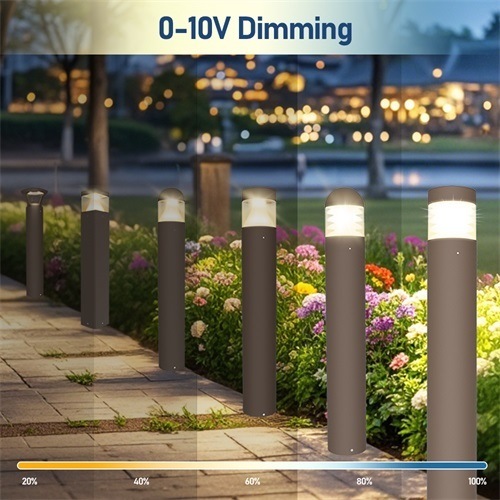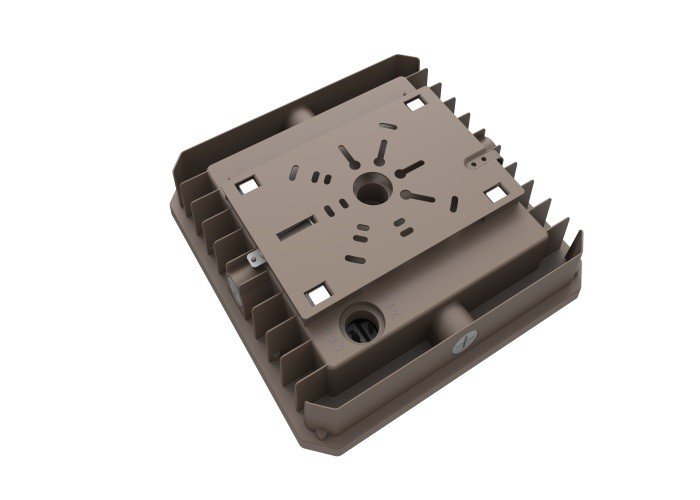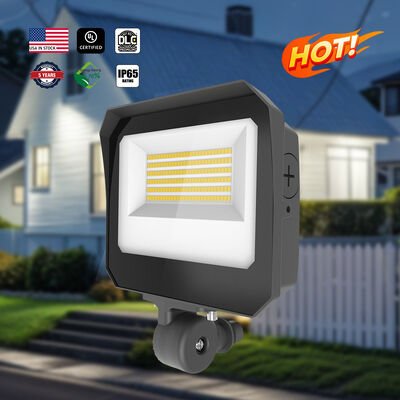
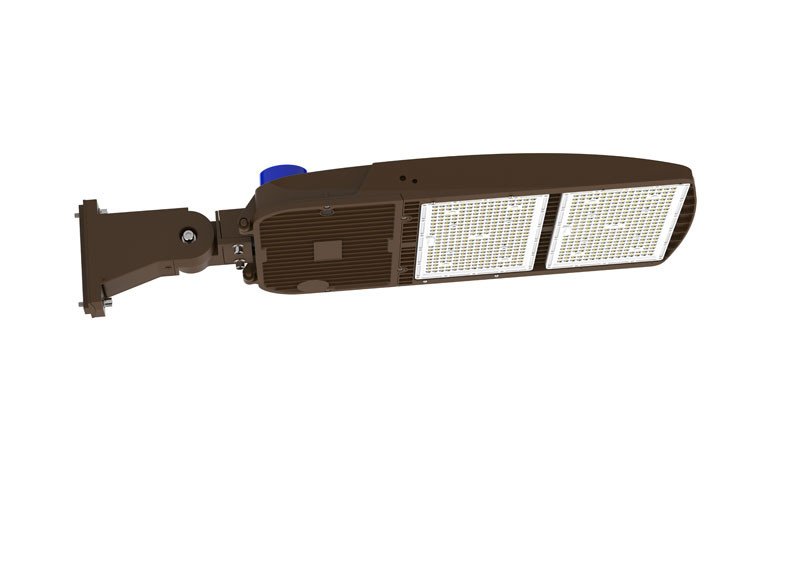
A single 24W LED bollard light produces 3,600 lumens—enough to illuminate a 4-meter pathway section while consuming 80% less energy than traditional halogen fixtures.
This comprehensive guide covers everything you need to know about selecting, spacing, and installing LED bollard lights for professional landscape and pathway lighting applications.
本文将介绍:
- 如何选择合适的高度和功率
- 正确的间距计算方法
- IP防护等级详解
- 六种设计款式与建筑协调
- 不同地面的安装方法
1. What is a LED Bollard Light?
A LED bollard light is a short, post-type outdoor lighting fixture designed for pathways, landscapes, and architectural accent lighting. Typically standing 600mm to 1200mm tall, bollard lights provide low-level illumination that guides pedestrians safely while adding visual interest to outdoor spaces. Unlike overhead lighting, bollard lights deliver light at eye level, reducing glare and creating intimate, inviting atmospheres. Modern LED bollards like the HAROLUX SS-BD Series combine energy efficiency with architectural aesthetics, offering multiple design options within a single product line.
- Post-type fixture 600mm-1200mm tall
- Low-level pathway and landscape illumination
- Reduces glare vs overhead lighting
- Architectural accent element
- Modern LED versions 80%+ more efficient
2. LED Bollard Light Applications
LED bollard lights serve diverse applications across commercial, municipal, and residential environments. **Commercial Landscapes**: Office parks, shopping centers, and hospitality venues benefit from professional-grade illumination that enhances property value and visitor safety. The 3600 lumen output covers 15-20 square meters per fixture. **Public Pathways**: Parks, campuses, and municipal walkways require reliable, low-maintenance lighting. IP65-rated fixtures withstand harsh outdoor conditions while delivering consistent performance. **Hospitality & Resorts**: Hotel grounds, restaurant patios, and spa areas benefit from decorative yet functional lighting that extends usable outdoor hours. **Residential Communities**: HOA developments and private gardens use bollard lights to define boundaries and create safe passage between amenities.
- Commercial landscapes: offices, retail, hospitality
- Public pathways: parks, campuses, municipal
- Hospitality: hotels, restaurants, resorts
- Residential: HOAs, private gardens
- 15-20 sqm coverage per 24W fixture
3. How Tall Should Bollard Lights Be?
Bollard height directly affects illumination coverage and visual impact. **600-800mm (24-31 inches)**: Best for decorative accent lighting, garden borders, and low-level pathway markers. Creates pools of light for visual interest rather than continuous illumination. **800-1000mm (31-39 inches)**: Standard height for pedestrian pathways. Provides optimal balance between coverage and glare control. Most common specification for commercial projects. **1000-1200mm (39-47 inches)**: Maximum standard height for pathway lighting. Used in larger landscapes where fixtures serve as both lighting and wayfinding elements. **Custom Heights**: Available for special applications. Taller bollards (1500mm+) approach column-light territory and serve architectural statement purposes. The HAROLUX SS-BD Series offers customizable heights from 600mm to 1500mm to match project requirements.
- 600-800mm: Decorative accent, garden borders
- 800-1000mm: Standard pathway lighting
- 1000-1200mm: Large landscapes, wayfinding
- Custom heights available
- Balance coverage vs glare control
4. Bollard Light Spacing Guide
Proper spacing ensures uniform illumination without dark spots or excessive overlap. **General Rule**: Space fixtures 3-4 times the mounting height. For a 1000mm bollard, spacing should be 3-4 meters between fixtures. **Continuous Pathway Lighting**: For even illumination along walkways, use closer spacing (3x height). Example: 800mm bollards at 2.4-meter intervals create seamless coverage. **Accent/Pools of Light**: For dramatic effect, increase spacing to 5-8 meters. Creates defined light circles that guide movement through landscape. **Staggered Installation**: For wide pathways (over 3 meters), alternate fixtures left and right. This technique provides better coverage than single-line installation. **Height Factor**: Taller bollards cast light further, allowing wider spacing. A 1200mm bollard can be spaced up to 5 meters apart while maintaining coverage. Request a photometric layout for precise spacing calculations on your specific project.
- 3-4x mounting height standard spacing
- Closer (3x) for continuous coverage
- Wider (5-8m) for accent effect
- Stagger for paths over 3m wide
- Taller bollards = wider spacing possible
5. IP Rating and Weather Resistance
Outdoor bollard lights face rain, dust, temperature extremes, and UV exposure. Understanding IP ratings ensures you select fixtures that will survive your climate. **IP65 Rating** (Standard for quality bollards): Completely dust-tight. Protected against water jets from any direction. Suitable for most outdoor applications including heavy rain. **IP66 Rating**: Enhanced protection against powerful water jets. Recommended for areas with pressure washing or extreme weather. **IP67 Rating**: Temporary submersion protection. Rarely needed for bollard lights unless in flood-prone areas. **Temperature Range**: Quality fixtures operate from -30°C to +50°C (-22°F to 122°F). Critical for northern climates with freezing winters and desert regions with extreme heat. **Corrosion Resistance**: For coastal areas, specify marine-grade powder coating or aluminum with enhanced corrosion protection. Standard finishes may degrade in salt spray environments within 2-3 years.
- IP65: Dust-tight, water jet resistant
- IP66: High-pressure water protection
- Temperature range: -30°C to +50°C
- Coastal: Marine-grade coating required
- UV resistance prevents yellowing
6. Selectable Power and Color Temperature
Modern LED bollard lights offer selectable settings that increase versatility and reduce inventory requirements. **Selectable Wattage** (14W/19W/24W): Choose power output based on application. Lower settings for accent lighting, maximum for primary pathway illumination. One fixture covers multiple brightness requirements. **Selectable CCT** (3000K/4000K/5000K): Color temperature affects mood and functionality. 3000K warm white creates inviting atmosphere for hospitality and residential. 4000K neutral white suits commercial and public spaces. 5000K daylight provides maximum visibility for safety-critical areas. **Selection Methods**: Internal DIP switches (common), external switches (easier access), or remote programming (smart fixtures). Verify accessibility before installation—some require disassembly to adjust. The HAROLUX SS-BD Series features internal switches for both power and CCT selection.
- 14W/19W/24W power selectable
- 3000K/4000K/5000K CCT selectable
- One SKU covers multiple applications
- Internal switches for adjustment
- Reduces inventory complexity
7. Design Options and Architectural Coord
Bollard lights serve both functional and aesthetic purposes. Selecting designs that complement architecture enhances overall project cohesion. **Design Considerations**: Modern/minimalist structures suit clean cylinder or square profiles. Traditional architecture pairs with decorative or fluted designs. Transitional styles accommodate both contemporary and classic elements. **Material Finishes**: Powder-coated aluminum in standard colors (black, bronze, grey). Custom RAL colors for brand coordination. Stainless steel for premium or coastal applications. **Head Styles**: Flat top (minimalist), dome (classic), angled (modern), fluted (decorative), mushroom (soft), square (contemporary). **Coordinating Fixtures**: Many manufacturers offer path lights, spot lights, and wall lights in matching designs. Specify a product line rather than individual fixtures for unified aesthetics.
- Match design to architectural style
- Standard finishes: black, bronze, grey
- Custom colors for brand coordination
- Six head styles available
- Coordinate with other landscape fixtures
技术规格参考
总结
LED bollard lights provide efficient, durable illumination for landscapes and pathways. By selecting appropriate height, spacing, and design, you can create safe, inviting outdoor spaces that enhance property value and user experience.