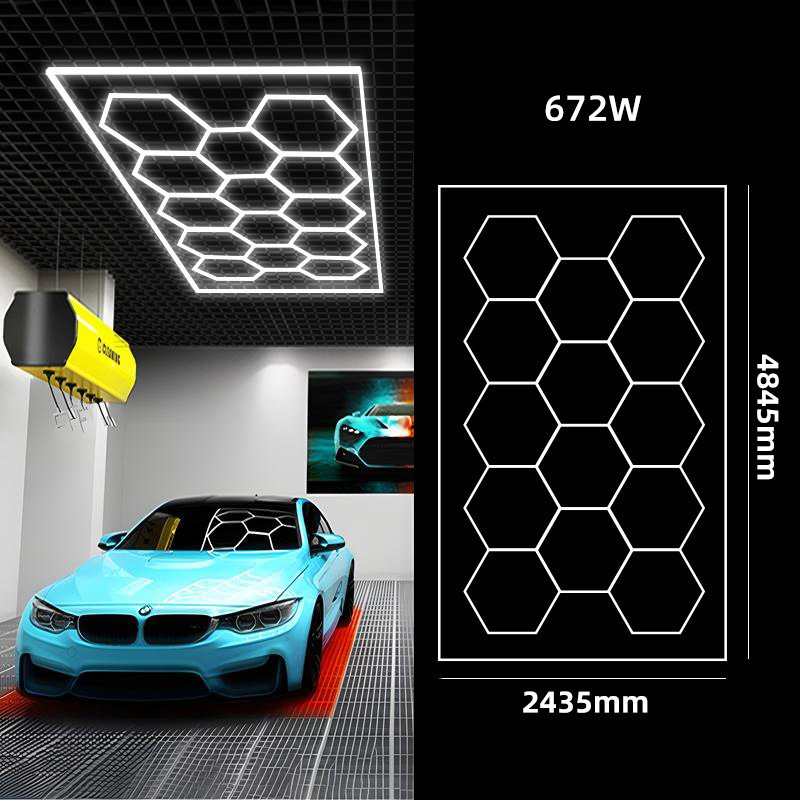

Did you know that 40% of car wash lighting failures are caused by water ingress from inadequate IP ratings?
This comprehensive guide covers everything you need to know about designing an effective LED lighting system for tunnel car washes, from IP ratings and color temperature to energy efficiency and maintenance planning.
- ✓ How to choose the right IP rating for each zone in your tunnel car wash
- ✓ Optimal color temperature and CRI for customer experience and cleaning effectiveness
- ✓ Energy-saving strategies that can reduce lighting costs by 60% or more
- ✓ Installation best practices for long-term reliability
- ✓ Maintenance schedules to maximize fixture lifespan
1. Understanding IP Ratings for Car Wash Lighting
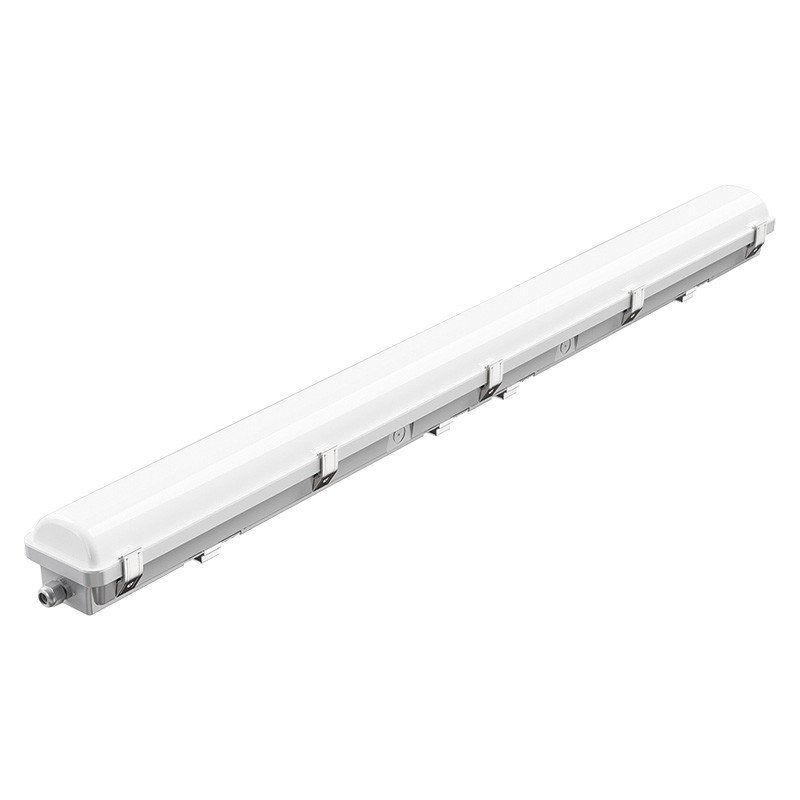
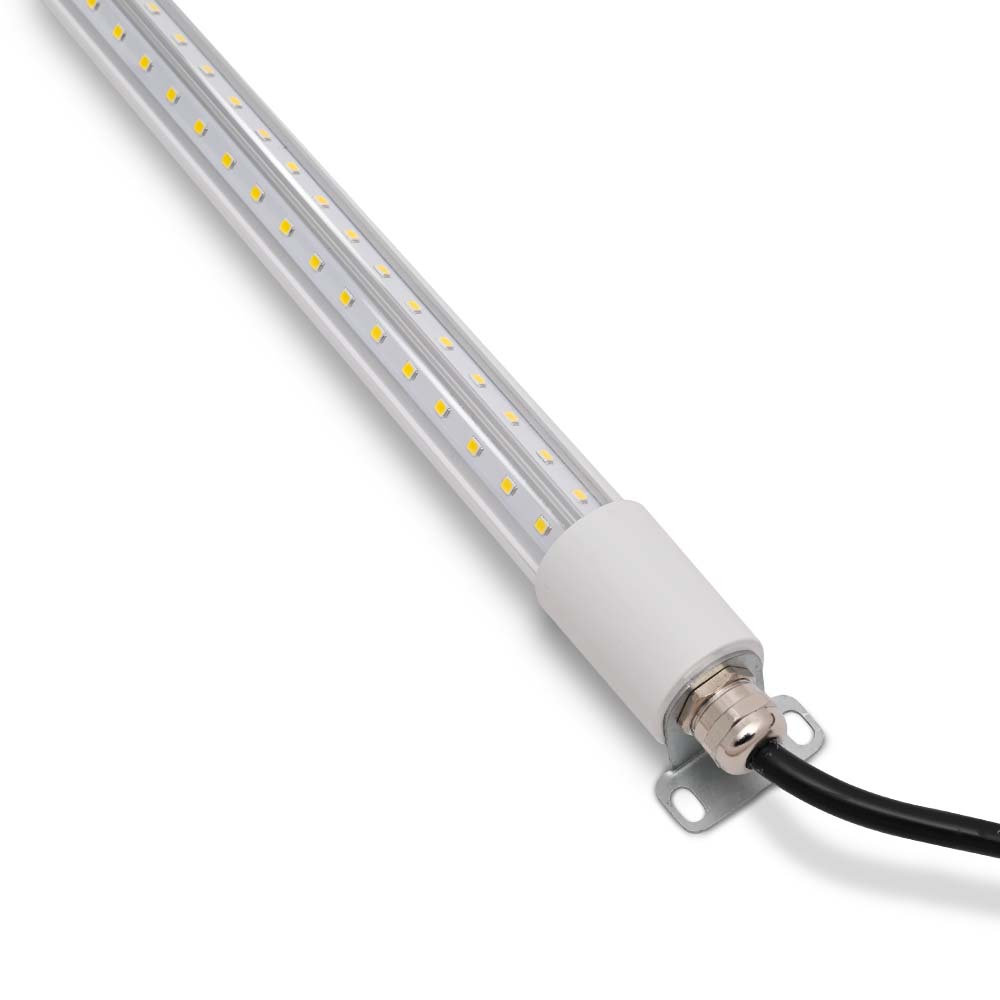
IP (Ingress Protection) ratings are critical for car wash environments where water, steam, and chemicals are constantly present. For tunnel car washes, IP65 is the minimum acceptable rating, providing complete dust protection and resistance against low-pressure water jets from any direction. Areas directly exposed to high-pressure cleaning equipment require IP66 or IP67 rated fixtures. The first digit (6) indicates total dust protection, preventing particles from entering the fixture. The second digit indicates water resistance: 5 means protection against water jets, 6 against powerful jets, and 7 allows temporary immersion up to 1 meter. Common failure points include cable entries, junction boxes, and seal degradation over time. Always verify that the IP rating is maintained at all entry points, and use IP68 rated cable glands for underground or submerged connections.
Key Takeaways
- ✓ IP65 minimum for general tunnel areas with low-pressure exposure
- ✓ IP66/IP67 required for high-pressure wash zones and equipment areas
- ✓ Inspect cable entries and seals quarterly for degradation
- ✓ Use marine-grade seals for chemical resistance
2. Optimal Color Temperature and CRI for Tunnel Car Washes
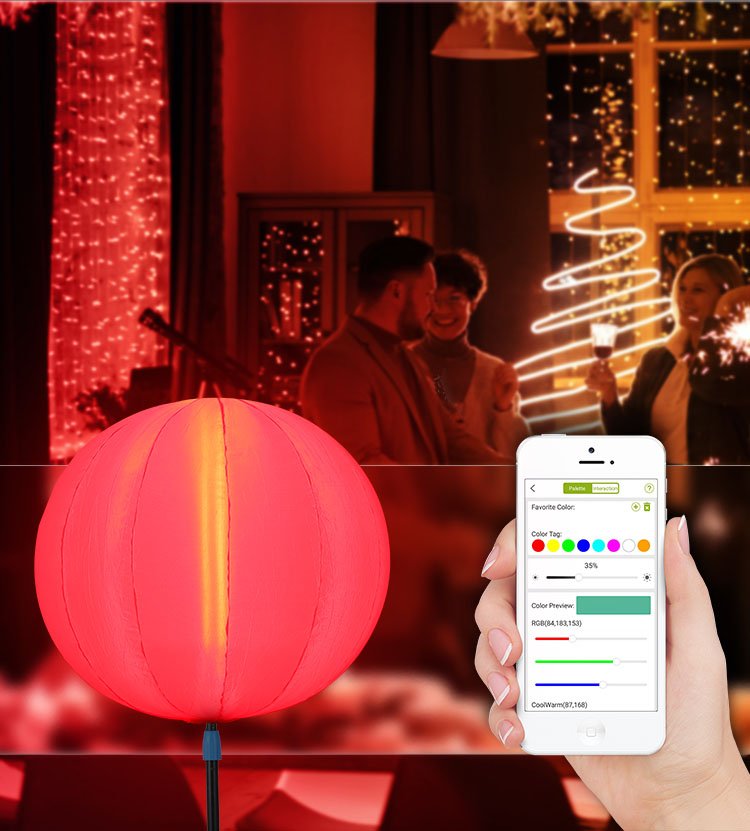
Color temperature and Color Rendering Index (CRI) significantly impact both the visual appeal of your car wash and the effectiveness of the cleaning process. For tunnel car washes, 5000K-6500K (cool white to daylight) is the optimal range. This color temperature provides excellent visibility for operators, makes vehicles appear clean and well-maintained, and creates a modern, professional appearance that customers associate with quality service. Higher color temperatures (6000K-6500K) enhance the perception of cleanliness and brightness. Avoid warm white (3000K-4000K) in cleaning areas as it can make surfaces appear dull and may mask dirt spots that need attention. CRI of 70+ is sufficient for general tunnel lighting, while CRI 80+ is recommended for areas where color matching is important, such as wax or polish application zones. For RGBW accent lighting used in branding and customer experience, implement smart controls to adjust colors for special promotions, holidays, or events.
Key Takeaways
- ✓ 5000K-6500K (cool white to daylight) optimal for visibility and cleanliness perception
- ✓ Avoid warm white (3000K-4000K) in cleaning and inspection areas
- ✓ CRI 70+ for general lighting, CRI 80+ for color-sensitive zones
- ✓ RGBW with smart controls for branding, atmosphere, and special events
3. Energy Efficiency: Cutting Lighting Costs by 60%
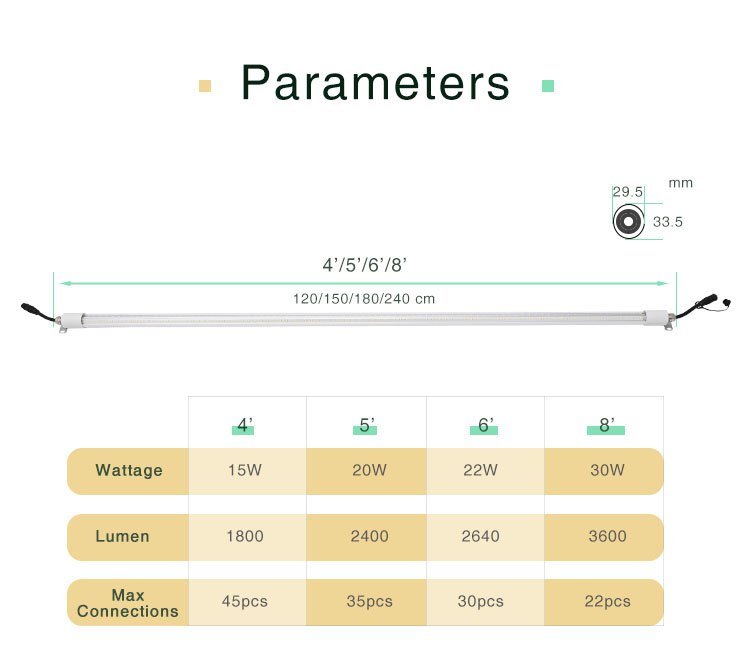
Modern LED technology offers dramatic energy savings for car wash facilities. Replacing traditional metal halide or fluorescent fixtures with high-efficiency LED can reduce lighting energy consumption by 50-70%. When selecting LED fixtures, prioritize high luminous efficacy (130+ lumens per watt) to maximize light output per energy unit. For a typical tunnel car wash operating 16+ hours daily, the payback period for LED upgrades is typically 12-24 months. Key efficiency features to look for include: high-efficiency drivers (94%+), optimized heat dissipation for longer life at higher temperatures, and smart control compatibility. Implement occupancy sensors and daylight harvesting in waiting areas and offices to further reduce energy use. Consider voltage optimization – fixtures operating at their optimal voltage draw less current and generate less heat. A 200W LED fixture producing 26,000+ lumens can replace a 400W metal halide while providing better light quality and distribution.
Key Takeaways
- ✓ 50-70% energy reduction achievable with LED upgrades
- ✓ Target 130+ lumens per watt luminous efficacy
- ✓ 12-24 month typical payback period for tunnel car washes
- ✓ Smart controls and sensors add 15-25% additional savings
4. Installation Best Practices for Long-Term Reliability
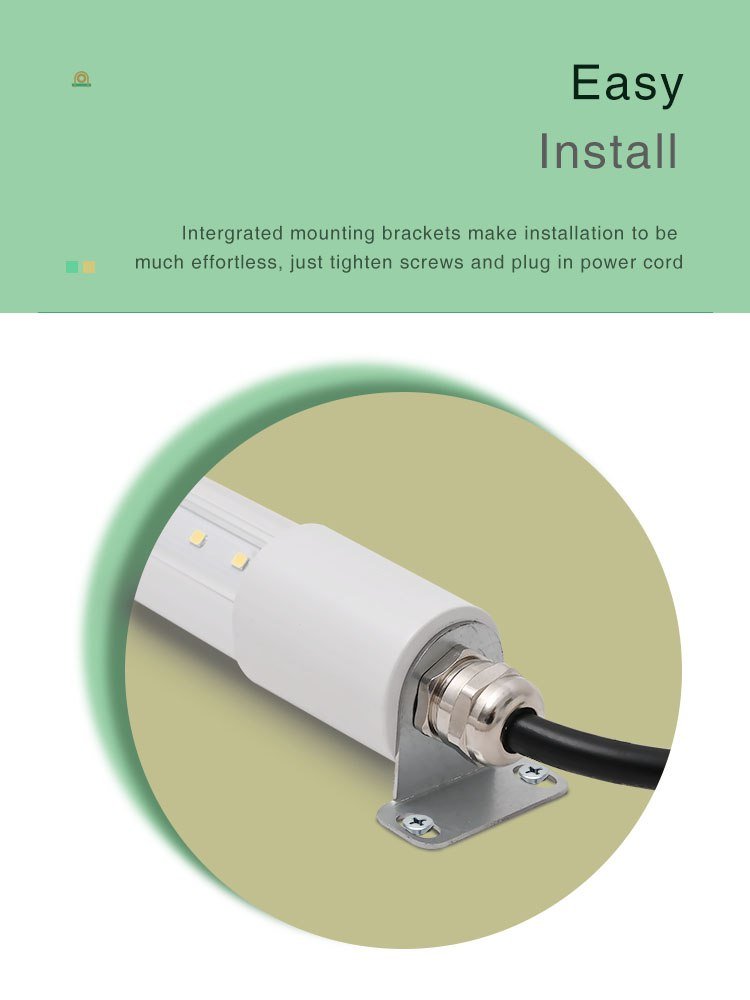
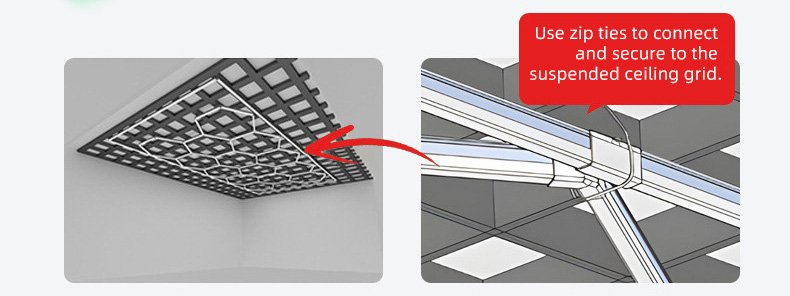
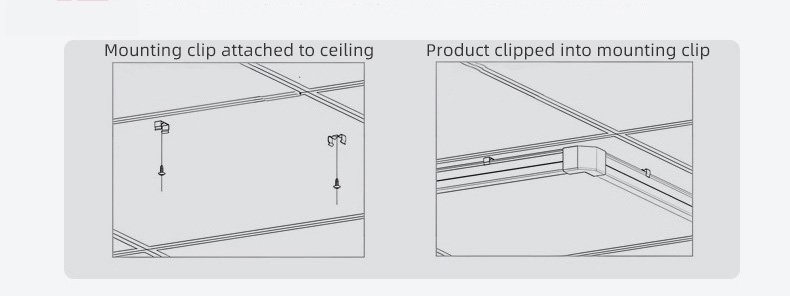
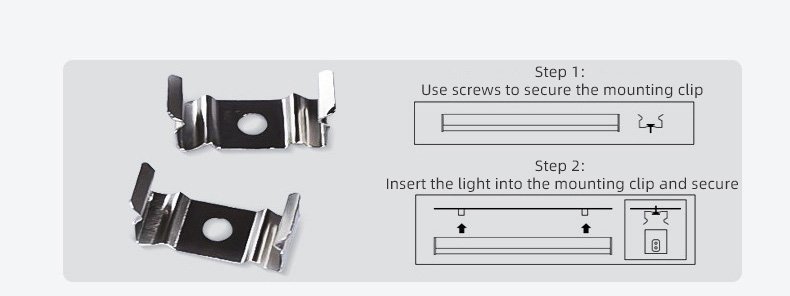
Proper installation is crucial for achieving the rated lifespan of LED fixtures in harsh car wash environments. Start with a thorough site assessment to identify mounting points, power access, and environmental zones. Use marine-grade stainless steel mounting hardware (316 grade) to prevent corrosion. All electrical connections should use IP68 rated junction boxes and cable glands. Maintain minimum clearance around fixtures for heat dissipation – typically 6 inches on all sides unless the fixture is specifically rated for enclosed spaces. For tunnel installations, position fixtures to minimize direct spray exposure when possible. Use conduit for all wiring runs, even in supposedly dry areas. Ground all metal fixture housings to prevent electrical hazards. Before final installation, verify that the electrical system can handle the load and that circuits are properly protected with GFCI where required. Document all installation details including fixture positions, wiring diagrams, and model numbers for future maintenance reference.
Key Takeaways
- ✓ Use 316 marine-grade stainless steel mounting hardware
- ✓ IP68 rated junction boxes and cable glands for all connections
- ✓ Maintain 6-inch clearance for heat dissipation
- ✓ Ground all metal housings and use GFCI protection
- ✓ Document installations with photos and wiring diagrams
5. Maintenance Schedule: Maximizing Fixture Lifespan
Regular maintenance extends LED fixture life and maintains optimal light output. Implement a structured maintenance schedule: Weekly visual inspections during tunnel walkthroughs to identify obvious issues like water ingress, flickering, or dimming. Monthly cleaning of fixture lenses using mild detergent and soft cloth – avoid harsh chemicals that can damage seals or coatings. Quarterly seal inspections at cable entries, junction boxes, and housing seams. Semi-annual electrical testing including voltage checks, ground continuity, and insulation resistance. Annual professional inspection covering thermal imaging to identify hot spots, driver performance testing, and optical alignment verification. Keep a maintenance log tracking fixture ages, repairs, and replacements. Plan proactive replacement of fixtures approaching their rated lifespan (typically 50,000+ hours) to avoid unexpected failures. Stock spare drivers and common replacement parts to minimize downtime. Train staff on basic troubleshooting and when to call professional service.
Key Takeaways
- ✓ Weekly visual inspections, monthly lens cleaning
- ✓ Quarterly seal inspections, semi-annual electrical testing
- ✓ Annual professional inspection with thermal imaging
- ✓ Maintain maintenance log and spare parts inventory
- ✓ Plan proactive replacement at 40,000-45,000 hours
6. Cost Considerations and ROI Calculation
Understanding the true cost of car wash lighting goes beyond initial fixture prices. Total Cost of Ownership (TCO) includes: Initial purchase price (fixtures, controls, installation labor), Energy costs (electricity consumption over fixture lifetime), Maintenance costs (cleaning, repairs, replacements), and Downtime costs (lost revenue during failures). For a typical tunnel car wash with 20 fixtures operating 16 hours daily, annual lighting energy cost with traditional fixtures might be $8,000-12,000. High-efficiency LED reduces this to $3,000-4,500 – saving $5,000-7,500 annually. Add reduced maintenance (fewer replacements, less frequent cleaning) and the total annual savings often exceed $8,000. Many utility companies offer rebates for commercial LED upgrades, typically $20-100 per fixture, further reducing payback time. Consider financing options that allow energy savings to cover monthly payments. Document pre- and post-installation energy usage for rebate applications and to demonstrate ROI to stakeholders.
Key Takeaways
- ✓ Calculate Total Cost of Ownership, not just purchase price
- ✓ Annual energy savings of $5,000-7,500 typical for tunnel car washes
- ✓ Utility rebates can offset 20-40% of project cost
- ✓ 18-24 month ROI including energy and maintenance savings
- ✓ Financing available with payments covered by energy savings
Proper LED lighting design for tunnel car washes requires careful consideration of IP ratings for water protection, optimal color temperature for customer experience, energy efficiency for cost savings, correct installation for longevity, and structured maintenance for reliability.

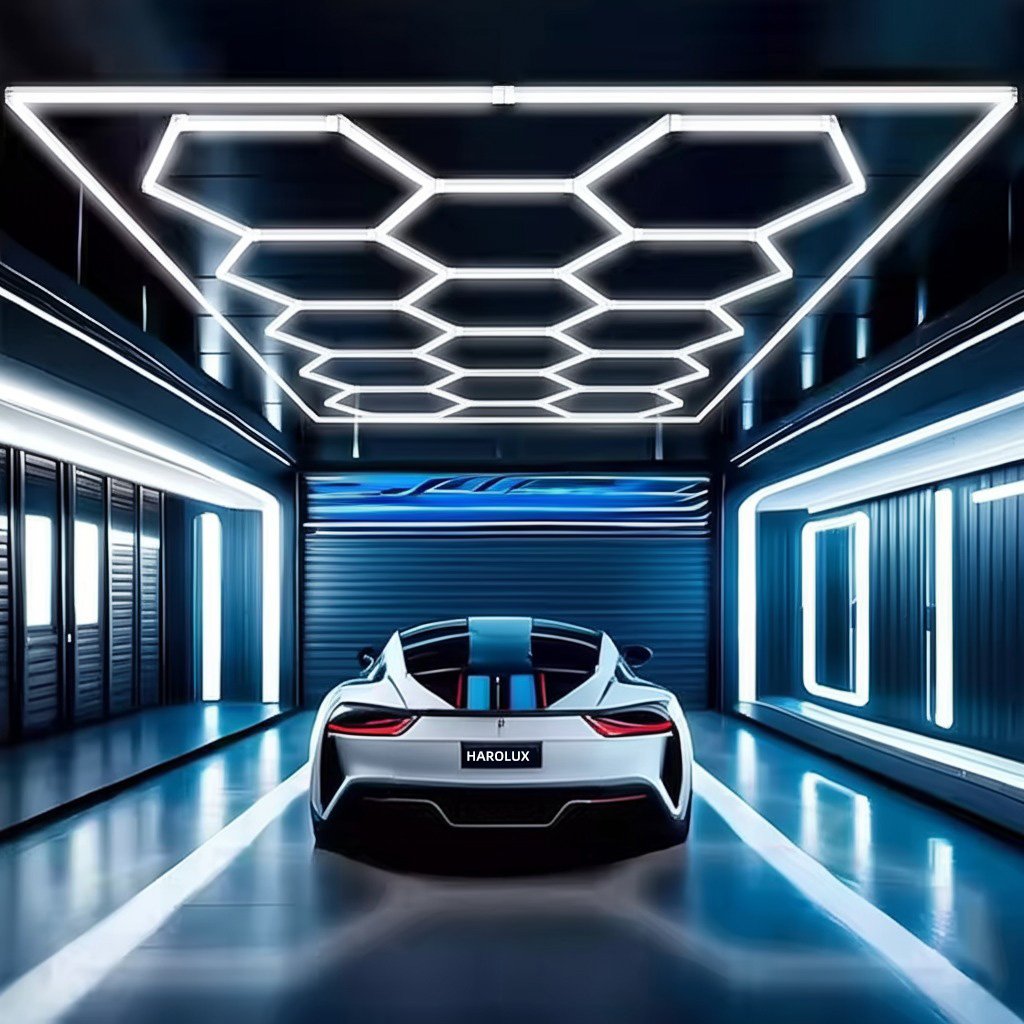
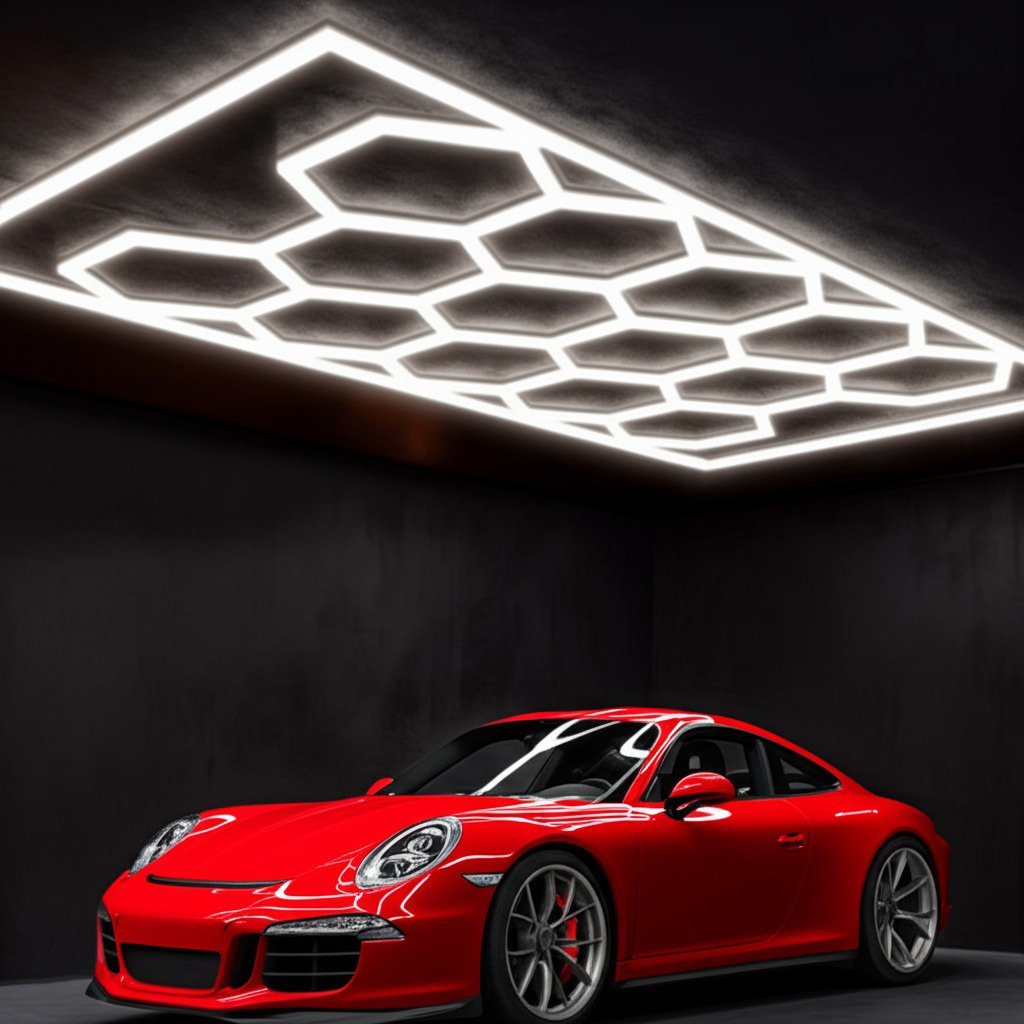

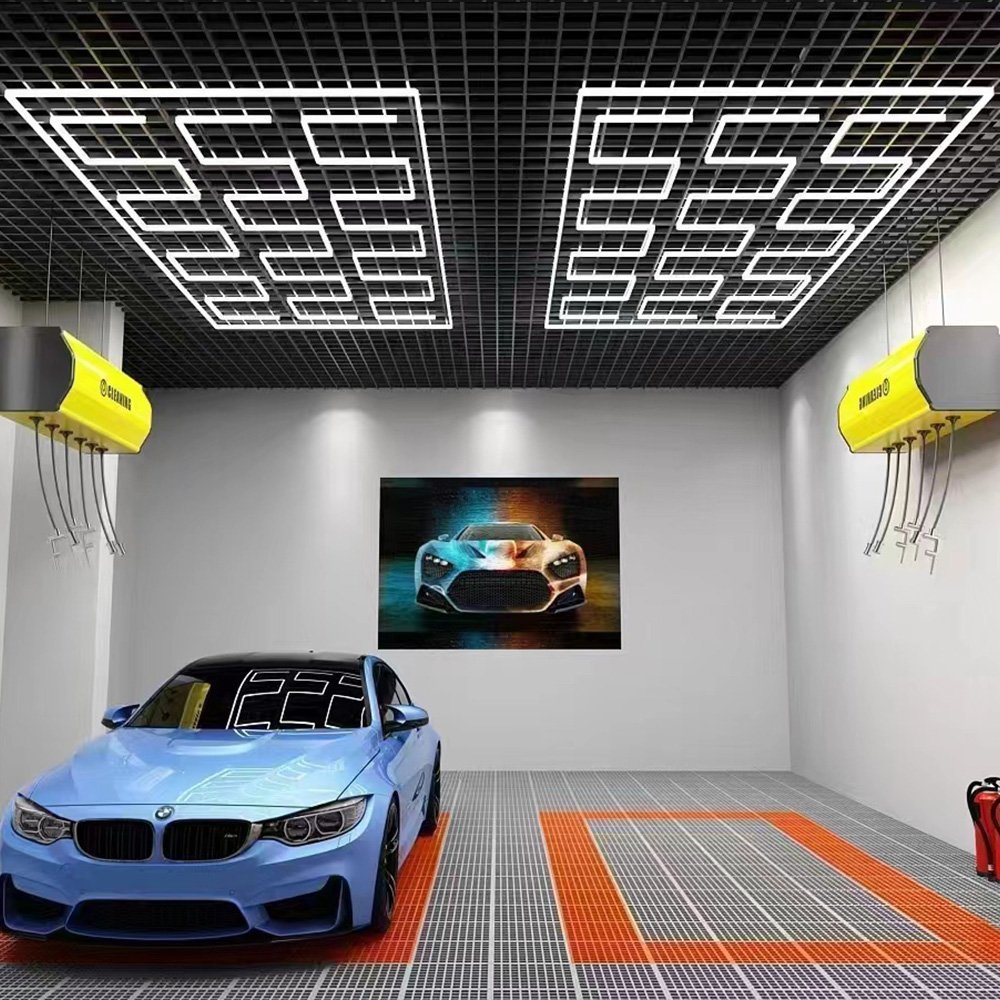
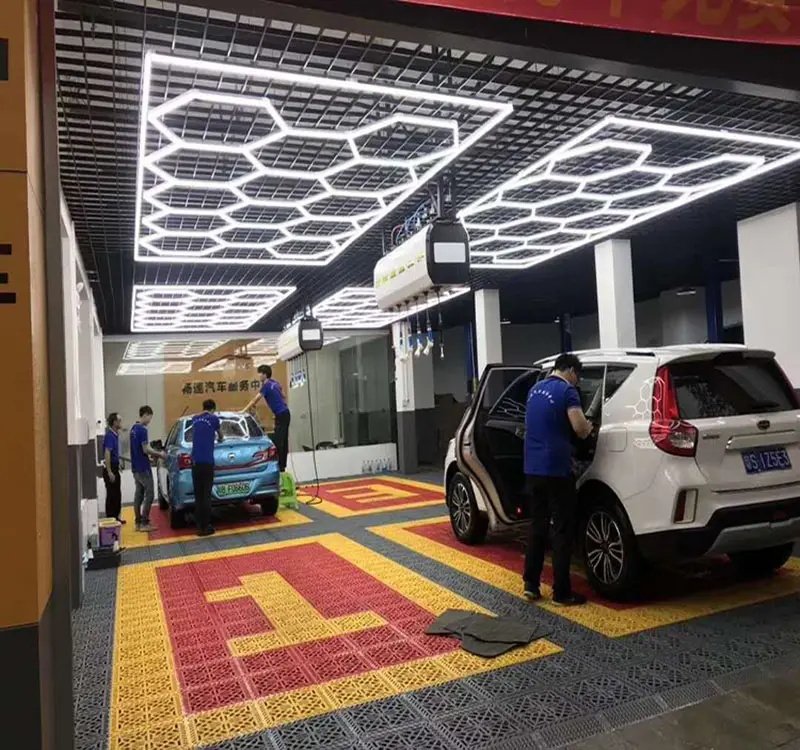
 Professional car wash lighting creates a welcoming atmosphere and highlights your work quality
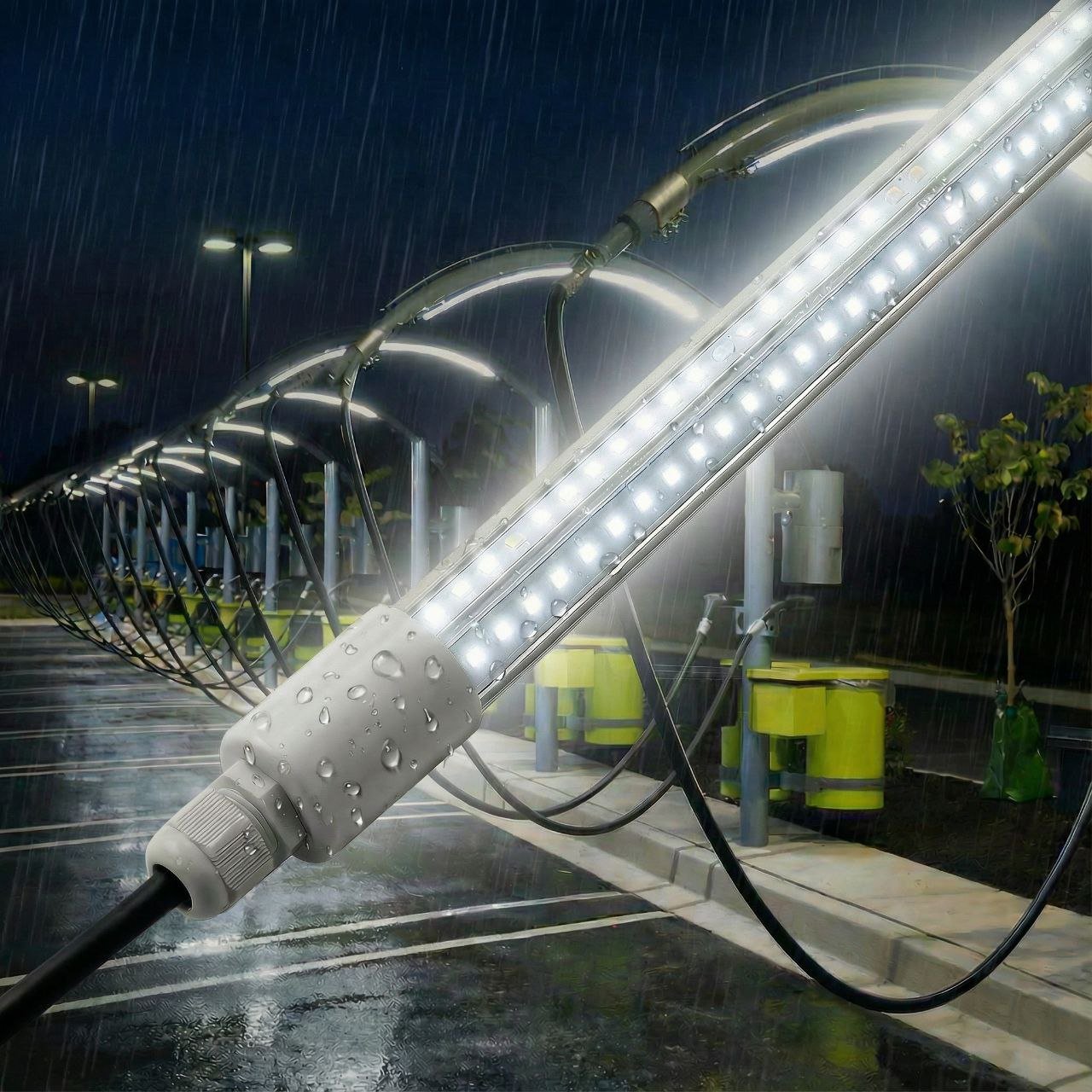
 Perfect fit for curved vacuum arches and canopies
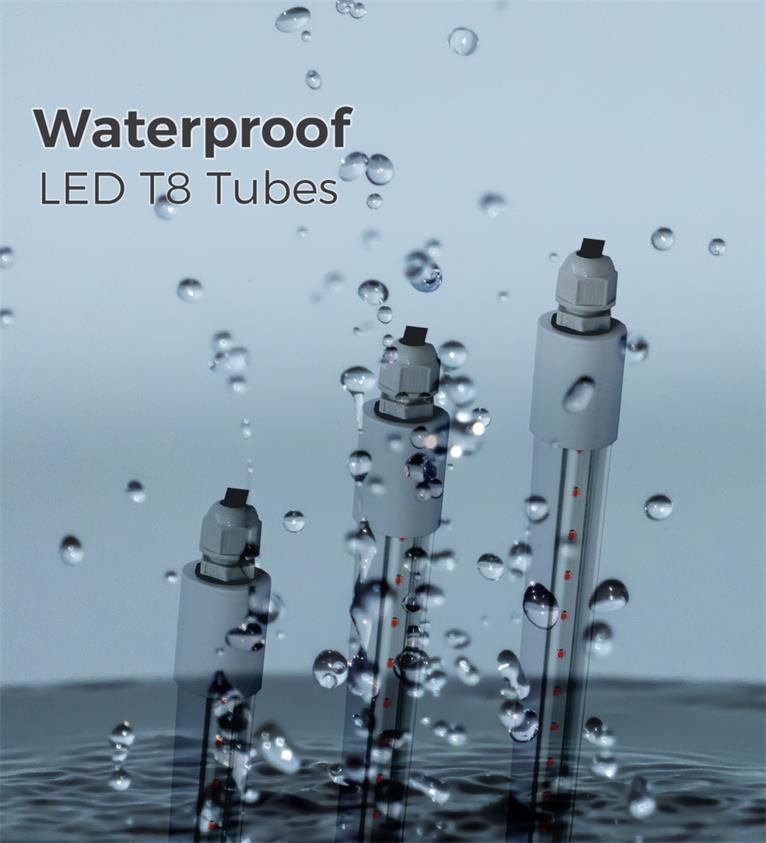 IP65 waterproof construction for harsh environments
 RGBW color options for enhanced visual appeal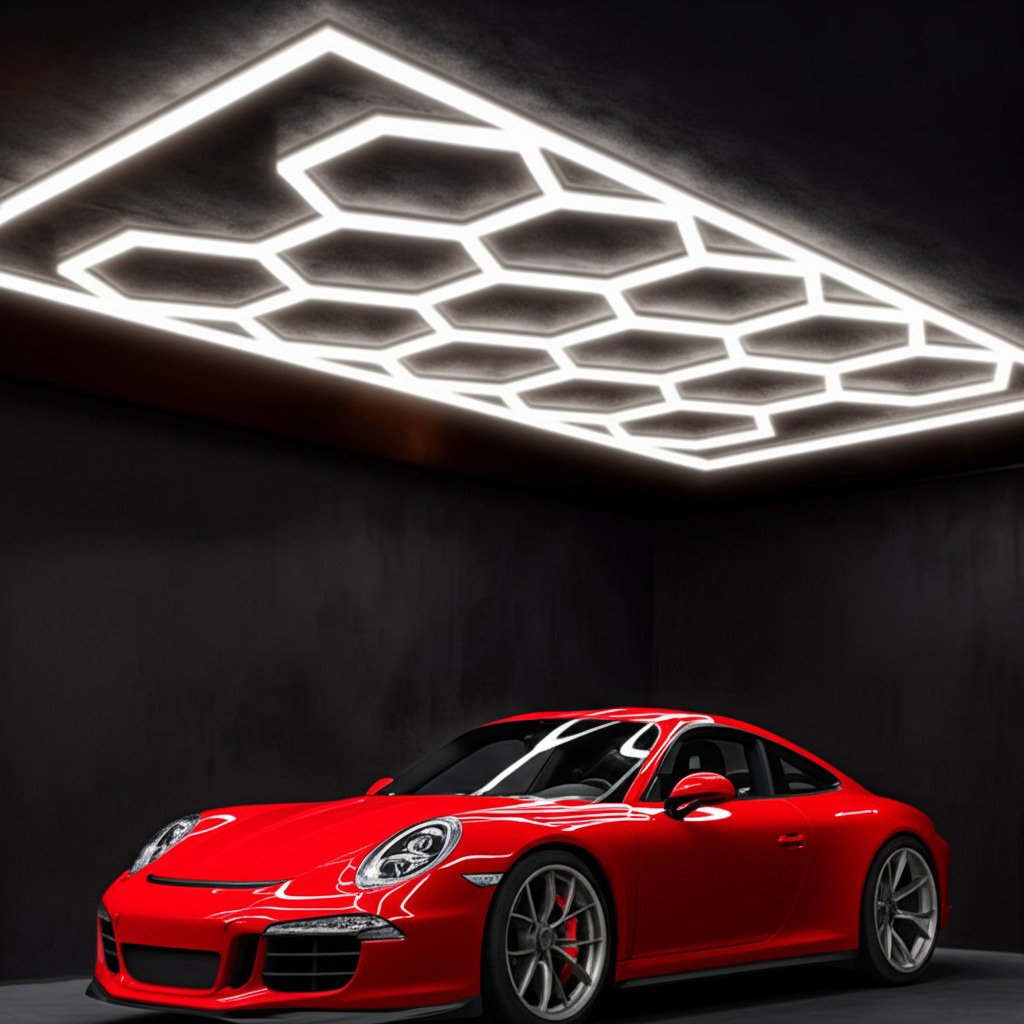
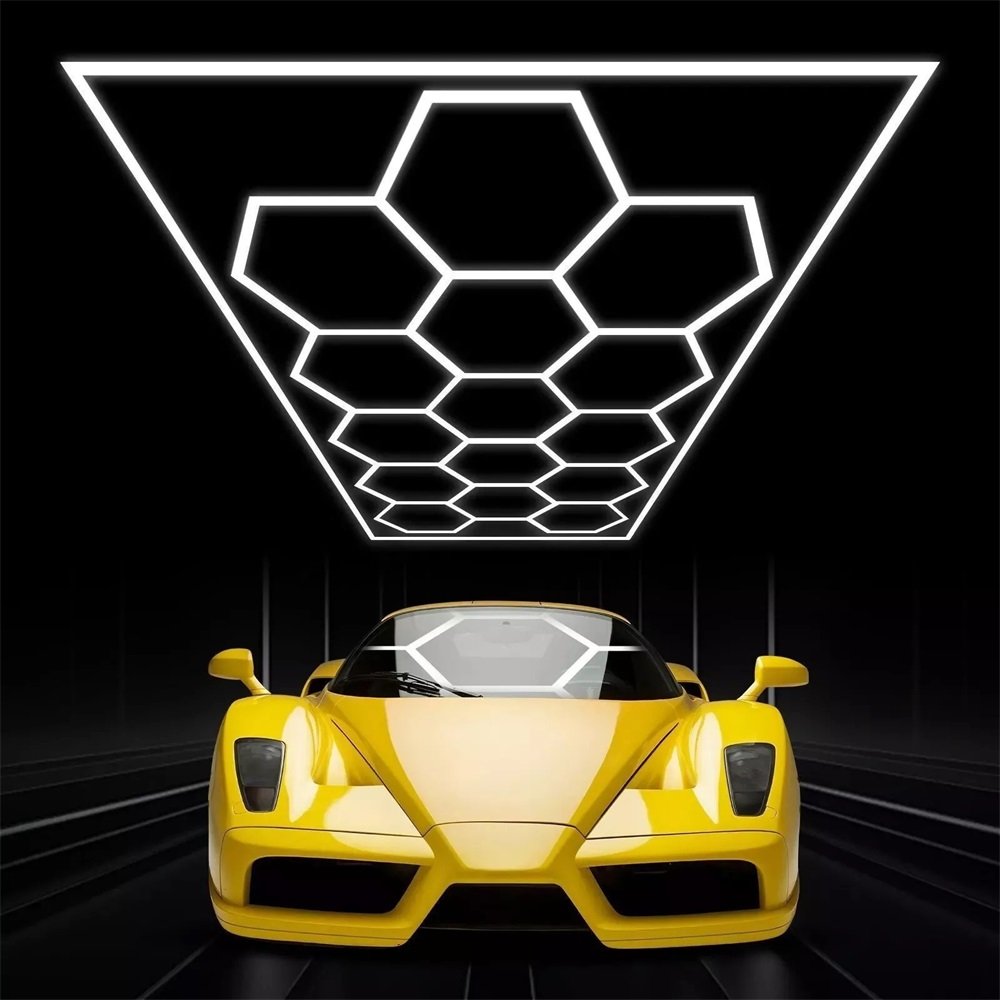
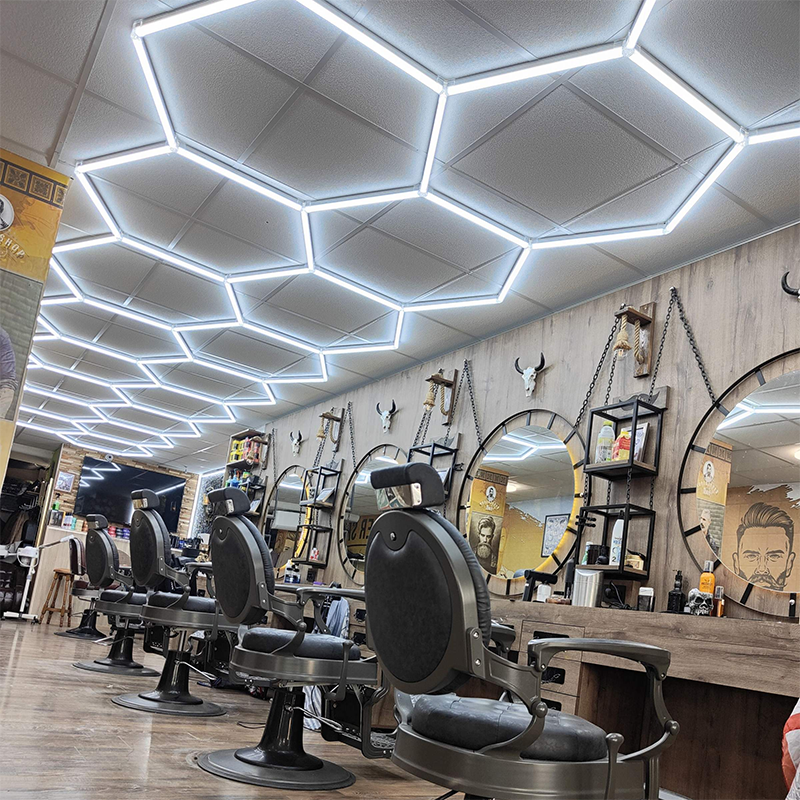
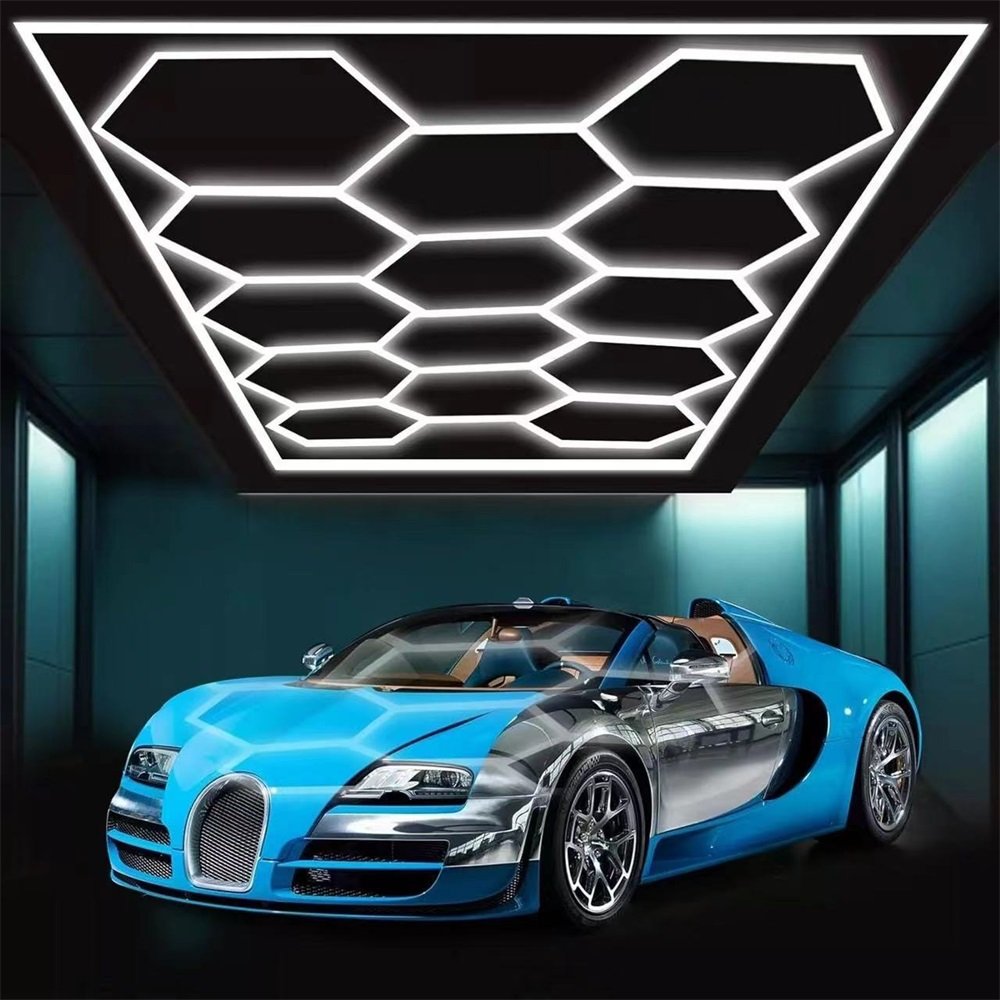 Honeycomb design provides shadow-free illumination
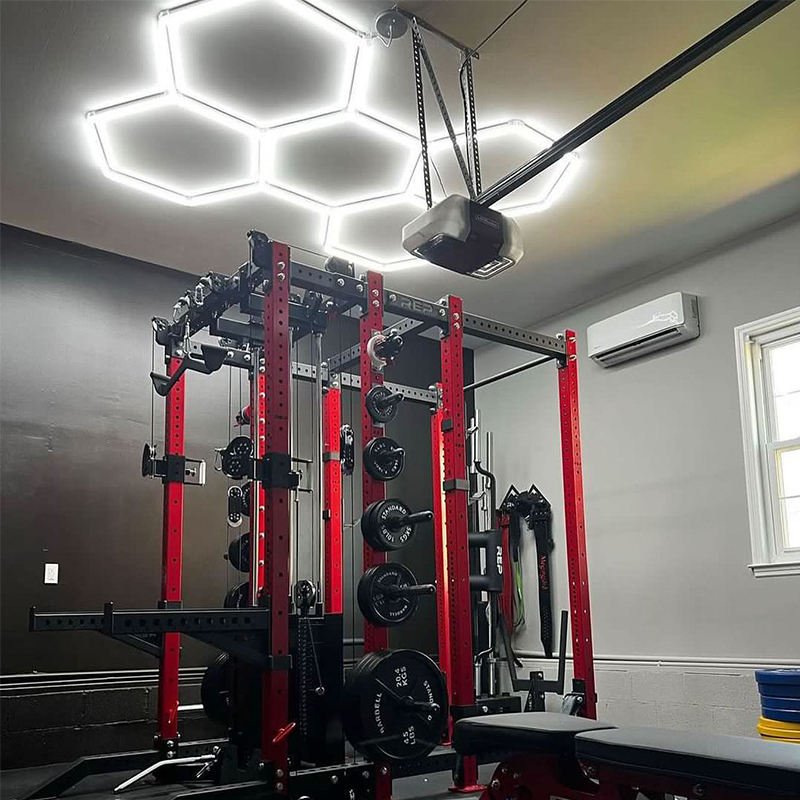 Perfect for auto detailing, workshops, and commercial spaces
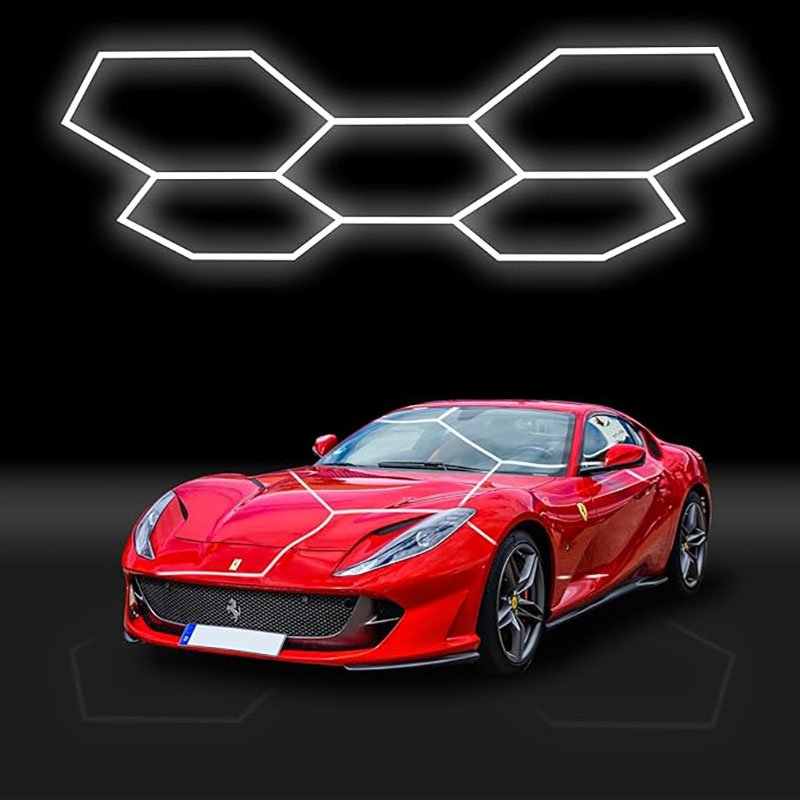 Modular design allows custom configurations